
Quick Answer
Wisdom teeth removal in Lucan, ON is often recommended during the late teens and early twenties, when roots are still forming and healing tends to be faster. However, the ideal timing depends on your age and oral health. At Saintsbury Family Dental, we assess each patient individually, using digital imaging to plan a safe, comfortable extraction.
Age changes everything about how third molars behave, and it shapes exactly how we approach wisdom teeth removal in Lucan, ON. A teenager’s jaw responds very differently than a busy adult’s, and a senior’s smile carries decades of history that deserves careful protection. Understanding these age-related milestones helps you feel prepared long before the day of surgery. Below, our team at Saintsbury Family Dental walks you through what to expect at each stage of life.
Why Age Shapes the Timing of Wisdom Teeth Removal
Third molars typically emerge between 17 and 25. Consequently, the timing of removal matters far more than many people realize. Younger patients generally have softer bone and incomplete tooth roots, which often makes extraction more straightforward. Older patients, however, may face denser bone and roots wrapped closer to nerves. Therefore, we tailor every treatment plan to your specific stage of life rather than applying a one-size-fits-all rule.
According to the Canadian Dental Association, regular monitoring with X-rays helps dentists identify problems before they escalate. Furthermore, early evaluation allows us to plan around your schedule and recovery needs.
Teens and Young Adults: The Preventive Window
For adolescents and young adults, we often recommend evaluation before symptoms even begin. Specifically, this is the stage where impacted teeth are easiest to address. Because the roots are still developing, the procedure is frequently quicker, and recovery is often smoother. Additionally, removing problematic molars early can protect the alignment achieved through orthodontic work. Parents in Lucan appreciate that a proactive checkup can prevent painful emergencies during exam season or a busy sports schedule.
Adults: Balancing Maintenance and Real-Life Demands
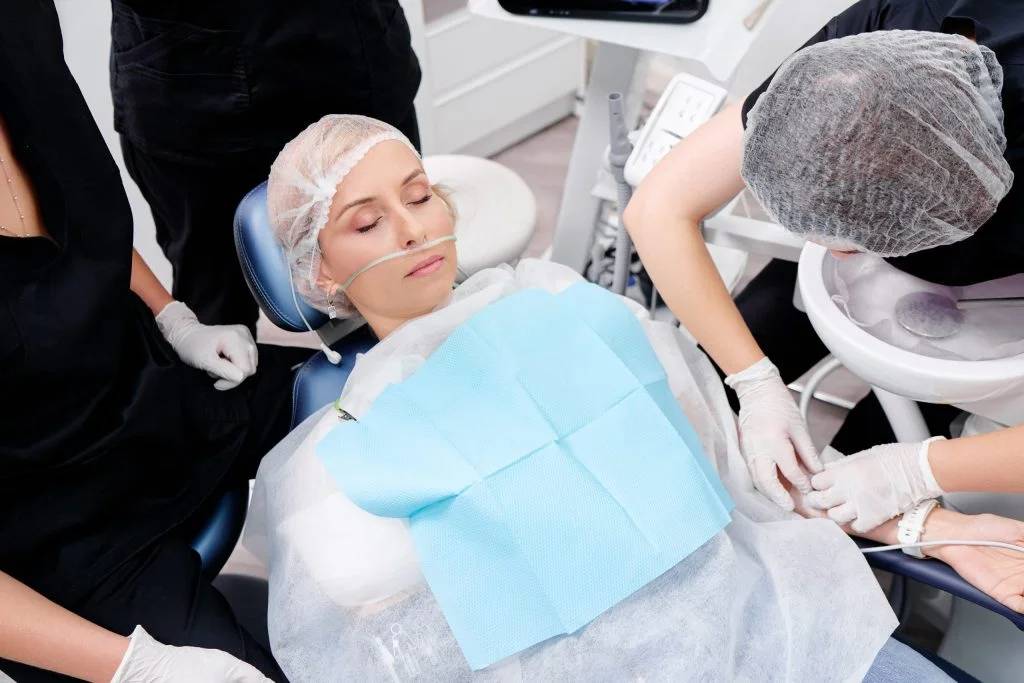
Many adults arrive with wisdom teeth that have caused no trouble for years. Suddenly, however, crowding, decay, or gum inflammation appears. In these cases, extraction protects your surrounding molars and overall oral hygiene. Moreover, we understand that adults juggle work and family, so we plan the timing and sedation around your comfort. Sedation options, including nitrous oxide, oral sedation, and IV sedation, help anxious patients relax completely. Consequently, the experience feels far calmer than most people expect.
Seniors: Preserving Smile Longevity
Older patients require an especially thoughtful approach. Denser bone and existing restorations can complicate extraction, so precise planning becomes essential. Nevertheless, removing an infected or damaged wisdom tooth often protects the remaining teeth and supports long-term periodontal health. Additionally, addressing these molars can improve the fit of implant-supported restorations. Our goal is always to preserve as much of your natural smile as possible while keeping you comfortable throughout.
How to Prepare Before Your Wisdom Teeth Surgery
Preparation begins with a thorough consultation and digital imaging. First, we review your medical history and current medications. Next, we discuss which sedation option suits you best. Additionally, we provide clear pre-surgery instructions, such as fasting guidelines when sedation is planned. Because organized preparation reduces stress, we also encourage you to arrange a ride home and stock up on soft foods in advance.
The Royal College of Dental Surgeons of Ontario sets rigorous standards for surgical and sedation care, and our team follows them closely. Consequently, you can trust that every safety measure is in place before your appointment. You can explore our full range of dental services to see how oral surgery fits within our comprehensive care.
What Happens on the Day of the Procedure
On surgery day, we confirm your sedation plan and make you comfortable first. Then, the dentist gently removes the tooth using techniques suited to your age and bone density. Typically, the appointment is shorter than patients anticipate. Afterward, we review recovery instructions and answer every question. Furthermore, we schedule a follow-up to ensure healing is progressing well.
Frequently Asked Questions
Is there an ideal age for wisdom teeth removal?
The late teens and early twenties are often ideal, because roots are still forming and healing is typically faster. However, adults and seniors can safely have theirs removed with proper planning and digital imaging.
Does wisdom teeth removal hurt?
The procedure itself is comfortable, because we use local anesthetic and offer sedation options. Afterward, mild soreness is normal, but it usually responds well to prescribed care and cold compresses.
How long is recovery after surgery?
Most patients feel noticeably better within three to five days. Younger patients often heal faster, while older patients may need a little extra rest and follow-up monitoring.
Do I need all four wisdom teeth removed at once?
Not always. Some patients only need one or two removed, while others benefit from a single appointment for all four. Your dentist will recommend the safest approach for your situation.
Schedule Your Consultation in Lucan
Whether you are planning ahead for a teenager or protecting a lifelong smile, our team is here to help. Contact Saintsbury Family Dental today to book your evaluation and receive a personalized plan. Reach out to our Lucan office to get started.