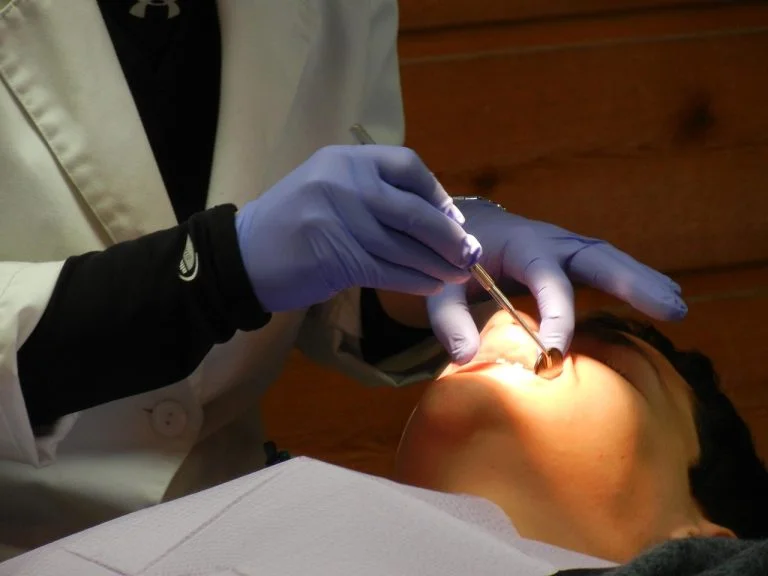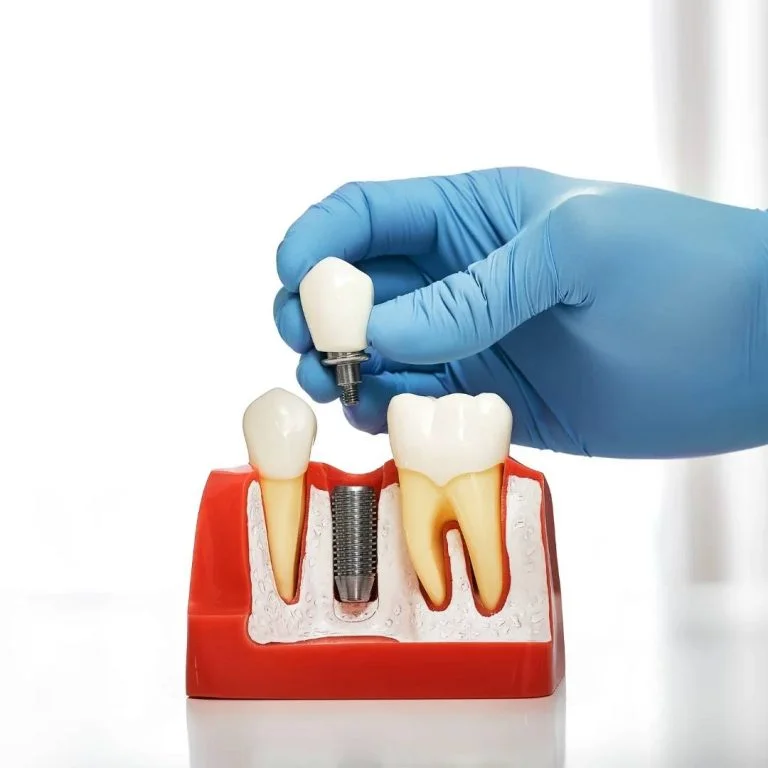
If you have ever lain back in the chair and wondered, “Are dental X-rays safe?”, you are asking a good question. At Saintsbury Family Dental on Main Street in Lucan, Ontario, patients ask us this every week. Parents ask it for their children, and expectant mothers ask it too. Even people who have had dozens of checkups still ask. The short answer is reassuring. The longer answer explains why these images matter so much to your oral health.
This guide covers how digital imaging works and what it reveals. It also explains how your dentist decides when you need X-rays, and what we do to keep your exposure low.
Are Dental X-Rays Safe for Most Patients?
For most people, dental X-rays involve a very small dose of radiation. The amount from a routine dental image is far lower than many medical scans. However, “small” does not mean “ignore it.” Good dental teams follow a simple principle: use an X-ray only when it will help make a decision about your care.
A 2024 expert review in the Journal of the American Dental Association put it plainly. Dental radiographs are valuable for clinical decisions, but that value must be balanced with radiation safety. Consequently, the panel recommended appropriate imaging practices and steps that reduce exposure for both patients and staff.
How digital imaging lowers exposure
Digital sensors capture an image faster and more efficiently than old film. As a result, they generally need less radiation to produce a clear picture. The image appears on a screen within seconds, so no one waits for film to develop. Additionally, your dentist can zoom in, adjust contrast and compare today’s image with last year’s. That makes small changes easier to spot.
Other techniques help too. For example, a systematic review in the International Dental Journal looked at how the shape of the X-ray beam affects dose. It noted the goal of keeping exposure “as low as reasonably achievable” while still producing a useful diagnostic image. In other words, modern dental imaging is built around getting the most information from the least radiation.
Why Your Dentist Needs X-Rays at Your Checkup
X-rays let your dentist see the parts of your mouth that are hidden from view. A visual exam shows the surfaces of your teeth and gums. Still, much of what goes wrong in a mouth starts where eyes can’t reach.
Specifically, digital imaging can reveal:
- Decay between teeth. Cavities often begin where two teeth touch, and they can grow for months before you feel anything.
- Bone loss from gum disease. Periodontal disease quietly wears away the bone that holds teeth in place.
- Infections at the root tip. An abscess may show up on an image before it causes pain or swelling.
- Problems under old fillings and crowns. Decay can return around the edges of existing restorations.
- Impacted or developing teeth. This includes wisdom teeth and, for children, adult teeth that have not yet erupted.
Finding these issues early usually means simpler, more comfortable treatment. A small filling today is far easier than a root canal or extraction later. Similarly, catching early bone loss gives you a chance to protect your teeth with a deep cleaning before the damage advances.
The Canadian Dental Association notes that regular checkups help detect problems early, when they are easier to treat. X-rays are one of the main ways your dentist does that.
How Often Do You Need Dental X-Rays in Lucan?
There is no single schedule that suits everyone. Instead, your dentist looks at your own history and risk. That is how we approach dental X-rays and digital imaging in Lucan, ON.
For instance, a healthy adult with no recent cavities may need bitewing X-rays only every couple of years. On the other hand, someone with frequent decay, gum disease or many restorations may benefit from more frequent images. Children often need X-rays a little more often, because their teeth and jaws change quickly. New patients usually need a baseline set so we have a clear starting point.
If you have recent X-rays from another office, let us know. We can often request them, which may spare you from repeat imaging.
Common types of dental X-rays
Each type of X-ray answers a different question. Bitewings show the back teeth from crown to roughly the bone level, so they are ideal for finding cavities between teeth. Periapical images show an entire tooth, root and all, which helps when a tooth hurts or needs a root canal. Meanwhile, a panoramic image captures the whole mouth and jaw in one view, which is helpful for wisdom teeth and treatment planning.
Some complex cases, such as planning surgery or implants, may call for additional imaging. In that case, your dentist will explain what is needed and why before anything happens.
What to Expect During Your Digital X-Ray Appointment
Most digital X-rays take only a few minutes. First, a team member places a small sensor in your mouth and asks you to bite gently. Next, the X-ray unit is positioned beside your cheek. The exposure itself lasts a fraction of a second. Then the image appears on the screen almost immediately.
Your dentist will often show you the images and point out what they see. Many patients find this helpful. Seeing a shadow between two teeth makes a recommendation much easier to understand.
If you have a strong gag reflex or feel anxious, tell us beforehand. We can adjust sensor placement, take breaks and work at your pace.
Special Situations: Pregnancy and Children
If you are pregnant or might be, always tell your dental team. Routine X-rays can often wait until after delivery. However, if you have a dental emergency, such as an infection, an X-ray may be the safest way to diagnose it. In that case, we take only what is necessary and use protective measures.
For children, we follow the same careful approach. Furthermore, we time X-rays around their risk of decay and stage of growth. Images can show whether adult teeth are developing normally and whether a child might benefit from preventive care like sealants.
Dental X-Rays and Digital Imaging at Saintsbury Family Dental
Our team in Lucan uses digital imaging as part of thorough, personalized checkups. You can read more about our approach on our X-Rays and Digital Imaging page. Because we offer restorative, periodontal, endodontic and surgical care under one roof, your images also guide treatment in our own office. As a result, you can often avoid starting over somewhere else.
We also accept the Canadian Dental Care Plan (CDCP). In addition, we offer a Monday evening slot and one Saturday per month for busy families.
Frequently Asked Questions
Are dental X-rays safe for children?
Yes. Dentists use child-appropriate settings and take X-rays only when they will guide care. Digital imaging helps keep the dose low while showing cavities and developing teeth.
Can I refuse dental X-rays?
You can always decline. However, your dentist may not be able to diagnose hidden decay, bone loss or infection without them. We are happy to talk through the reasons for any image we recommend.
How long does a digital dental X-ray take?
Each exposure takes a fraction of a second. A full set of images usually takes only a few minutes from start to finish.
Do I need X-rays at every checkup?
Not usually. Your dentist sets the timing based on your age, history and risk of decay or gum disease.
Book Your Checkup in Lucan
Still wondering whether dental X-rays are safe for you or your family? We are glad to answer your questions in person. Contact Saintsbury Family Dental at 100 Main St in Lucan to book your next exam. Our team will explain every step and make sure you feel comfortable.
Sources & References
- Optimizing radiation safety in dentistry: Clinical recommendations and regulatory considerations (J Am Dent Assoc, 2024)
- Evidence on radiation dose reduction using rectangular collimation: a systematic review (Int Dent J, 2019)
- Canadian Dental Association: Regular Dental Checkups