Quick Answer: Implant-supported dentures are full dentures that clip onto dental implants placed in your jawbone, so they don’t depend on suction or adhesive to stay in. For most people, they feel more secure and handle firm foods better than regular dentures. At Saintsbury Family Dental, our team offers implant-supported dentures in Lucan, ON, and we can help you decide whether you’re a good candidate.
If your dentures slip when you laugh or shift while you chew, you’re not alone. Many denture wearers in our area ask us about implant-supported dentures in Lucan because they want a set that stays put. This guide explains what these dentures are, how they differ from regular dentures, and what to expect if you choose them. We’ll also be honest about the trade-offs, since the right option depends on your mouth, your health and your budget.
What Are Implant-Supported Dentures?
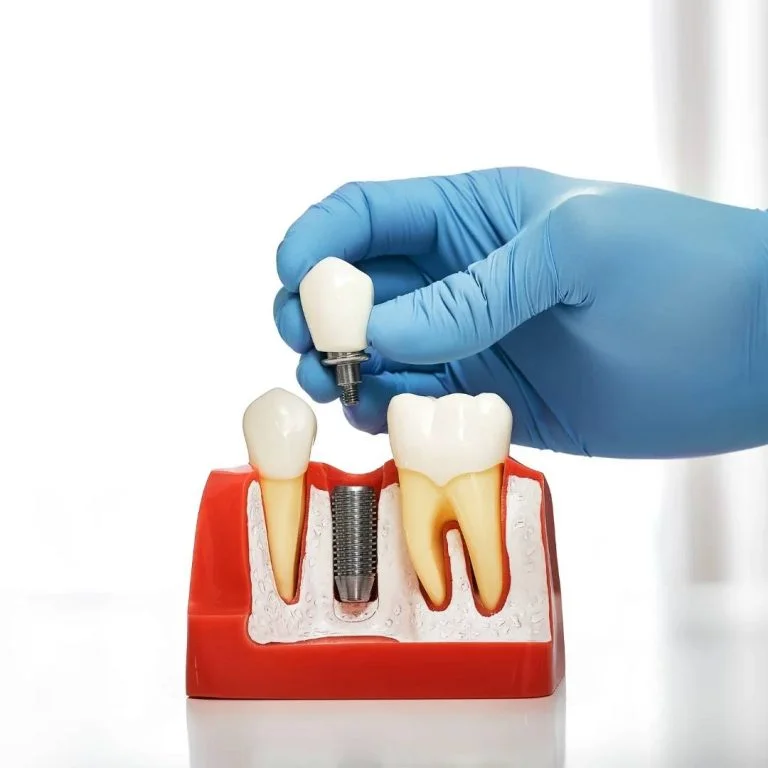
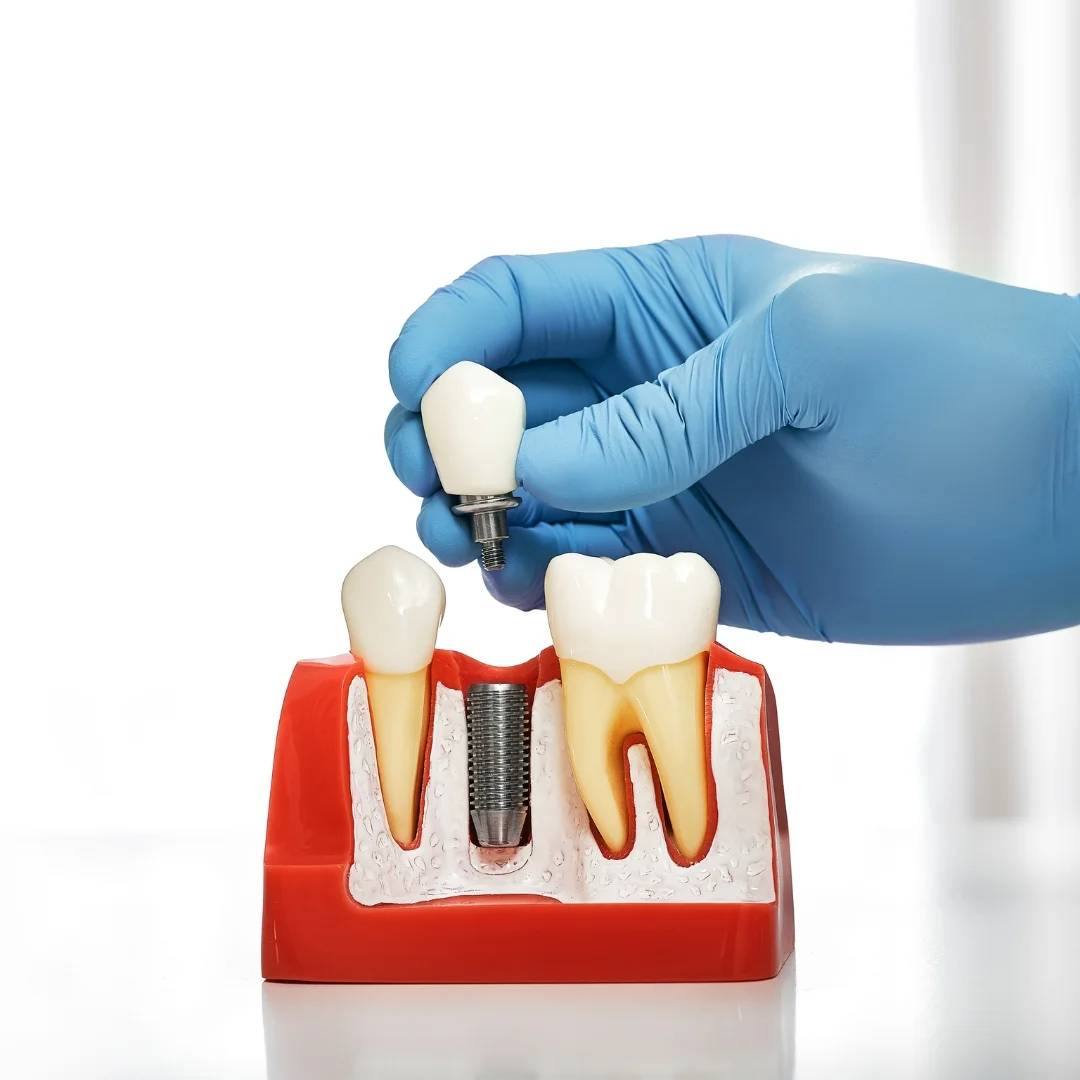
An implant-supported denture is a full arch of replacement teeth that attaches to dental implants rather than resting only on your gums. The implants are small titanium posts placed in the jawbone. Once they heal, the denture snaps or locks onto them.
A regular denture, by contrast, sits on the gum ridge. Upper dentures rely mostly on suction against the palate. Lower dentures have far less surface to grip, so they often float or lift, especially during meals. According to the Canadian Dental Association, dentures can take time to get used to, and many people need adjustments as their mouth changes.
Removable versus fixed designs
Implant-supported dentures come in two broad styles. A removable overdenture clips onto attachments on the implants, and you take it out each night for cleaning. A fixed design, on the other hand, stays in place and only your dental team removes it. Each style has its own cost, maintenance needs and feel, which we discuss during a consultation.
Are Implant-Supported Dentures Better for Eating?
For most patients, yes. Because the implants anchor the denture to bone, you can bite with more confidence and chew firmer foods. Think of corn on the cob at a summer barbecue, a crisp apple from a local orchard or a steak dinner out in London.
The research supports what our patients tell us. A systematic review in the Journal of Prosthodontic Research compared conventional complete dentures with implant-retained overdentures for the lower jaw. It noted that several studies reported better outcomes with implant-retained overdentures, and it examined efficacy, satisfaction and quality of life. In other words, the benefits go beyond chewing alone.
However, an implant denture is still a prosthesis. You’ll likely need a short adjustment period as you learn to speak and chew with it. Similarly, some very hard or sticky foods may still call for care.
How Implant-Supported Dentures Stay Secure
The short answer is mechanical retention. Instead of suction or paste, the denture connects to hardware on the implants. Common attachment types include ball-style connectors, locator-style snaps and bars that link the implants together.
Specifically, the attachment choice affects how firmly the denture holds and how often parts need replacing. A systematic review and meta-analysis in the Journal of Indian Prosthodontic Society compared attachment systems for lower implant overdentures. It looked at maintenance, complications, tissue changes around the implants, retention and patient satisfaction. Consequently, your dentist will match the attachment to your bone, bite and lifestyle rather than using a one-size-fits-all approach.
Less rubbing, fewer sore spots
Loose dentures move, and movement causes friction on the gums. Because implant dentures shift far less, many wearers notice fewer sore spots. Additionally, upper implant designs can sometimes leave more of the palate uncovered, which can make food taste more natural.
Implant-Supported Dentures vs. Regular Dentures at a Glance
Here is a plain comparison of the two options:
- Stability: Regular dentures depend on suction and fit. Implant dentures attach to posts in the bone.
- Chewing: Implant dentures generally handle a wider range of foods.
- Adhesive: Most implant denture wearers no longer need it.
- Treatment time: Regular dentures are faster to make. Implant dentures need surgery and healing time first.
- Cost: Regular dentures cost less up front. Implant dentures are a larger investment.
Regular dentures remain a sensible choice for some people. For example, someone with certain health conditions may not be ready for implant surgery. Our job is to lay out the facts so you can choose with confidence.
Who Is a Good Candidate?
Good candidates are usually adults who are missing most or all of their teeth in one or both jaws and are in reasonable general health. You’ll need enough jawbone to hold the implants, which we assess with digital imaging.
Furthermore, a few factors can affect healing. These include uncontrolled diabetes, heavy smoking and active gum disease. That doesn’t automatically rule you out. Instead, it means we may need to address those issues first. If you still have a few failing teeth, our team can handle extractions here at the same office, so you won’t need to bounce between clinics.
What to Expect at Saintsbury Family Dental
The process usually unfolds over several months, in clear stages. First, we complete an exam, review your medical history and take X-rays. Next, we place the implants in a minor surgical procedure. Then the implants bond with the bone over a healing period. Finally, we fit and fine-tune your new denture.
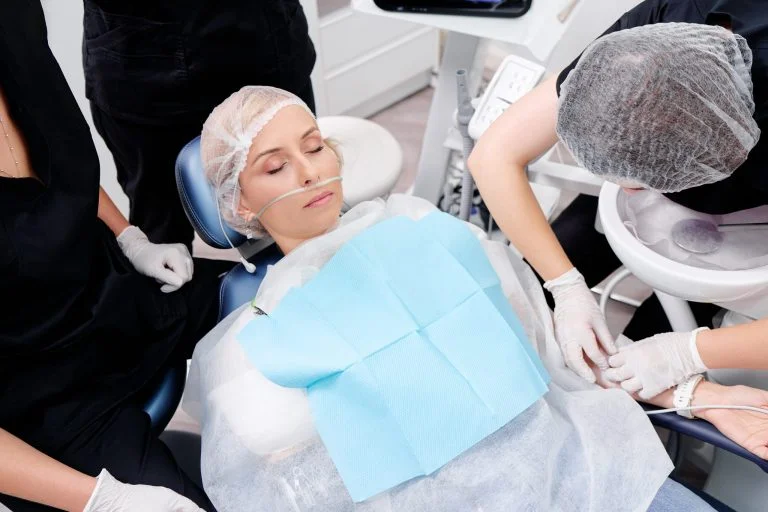
Nervous about surgery? That’s a common concern, and we take it seriously. Our Lucan office offers nitrous oxide, oral sedation and IV sedation, so you can choose the level of comfort that suits you. You can learn more about the treatment itself on our implant-supported dentures page.
Planning around family and work
We know many Lucan families juggle farm schedules, commutes and caregiving. That’s why we offer a Monday evening slot until 7 p.m. and one Saturday each month. We also accept the Canadian Dental Care Plan (CDCP), which may help eligible patients with some treatment costs. Coverage varies, so our front desk can help you check your benefits.
Caring for Implant-Supported Dentures
Daily care is simple but important. Clean the denture every day and brush gently around the implant posts with a soft brush. Moreover, keep your regular checkups, because the attachment parts wear over time and may need periodic replacement. Healthy gums around the implants help your new teeth last for many years.
Book a Consultation in Lucan
If loose dentures are limiting what you eat or how you feel in public, it may be time to explore implant-supported dentures in Lucan. Our dentists will examine your mouth, explain your options honestly and give you a clear treatment plan. Visit us at 100 Main St, Lucan, or contact Saintsbury Family Dental to book your visit today.
Frequently Asked Questions
How many implants does an implant-supported denture need?
It depends on the jaw and the design. Lower overdentures often use two or more implants, while upper dentures and fixed designs typically need more. Your dentist will recommend a number after reviewing your imaging.
Can I convert my current denture to an implant denture?
Sometimes. If your existing denture fits well and is in good condition, it may be possible to modify it with attachments. However, many patients do better with a new denture designed for implants.
Do implant-supported dentures hurt?
Most patients report mild soreness for a few days after implant placement. We use local anesthetic, and we offer nitrous oxide, oral sedation and IV sedation for extra comfort.
Will I still need denture adhesive?
Usually not. The attachments on the implants hold the denture in place, so most wearers stop using adhesive entirely.
Sources & References
- Canadian Dental Association: Dentures
- A systematic review of studies comparing conventional complete denture and implant retained overdenture (J Prosthodont Res, 2018)
- Mandibular implant-supported overdenture: A systematic review and meta-analysis for optimum selection of attachment system (J Indian Prosthodont Soc, 2021)